
Understanding Felt Roofing: Basics and Benefits
Felt roofing has gained significant popularity as a reliable and efficient solution for flat and low-pitched roofs. This type of roofing system utilizes multiple layers of waterproof materials, primarily bitumen-based felt, to create a durable and long-lasting barrier against the elements. With increasing concerns over climate change and environmental sustainability, many homeowners and property managers are turning to felt roofing due to its cost-effectiveness and energy efficiency. When exploring options, felt roofing provides comprehensive insights into local contractors and solutions tailored to individual needs.
What is Felt Roofing and How Does it Work?
Felt roofing consists of synthetic or organic material that is saturated with bitumen, which is then adhered to the roof surface. Typically installed in multiple layers, felt roofing creates a thermally efficient barrier, ideal for structures like garages, porches, and flat roof extensions. When correctly installed, it prevents water penetration and minimizes the risk of damage from severe weather conditions.
The Advantages of Choosing Felt Roofing Systems
- Cost-Effective: Felt roofing is generally less expensive than other roofing options like tiles or metal, making it an attractive choice for budget-conscious homeowners.
- Durability: With the right installation and materials, felt roofs can last upwards of 15-20 years, offering good longevity for minimal maintenance.
- Quick Installation: Felt roofing can often be installed more quickly than traditional roofing materials, reducing labor costs and disruption to daily life.
- Environmentally Friendly: Many felt roofing systems are made from recycled materials and are themselves recyclable, aligning with sustainable building practices.
Common Myths About Felt Roofing Debunked
Despite its advantages, several myths persist about felt roofing, including the belief that it is prone to leaks or inferior in quality compared to other materials. In reality, when installed by experienced professionals, felt roofing is just as waterproof and robust as other systems. Furthermore, advancements in technology have significantly improved the lifespan and durability of felt roofing products, quelling many previous concerns.
Choosing the Right Felt Roofing Specialist
Finding a trustworthy felt roofing specialist is crucial for ensuring quality installation and long-term satisfaction. With numerous options available, homeowners can sometimes feel overwhelmed. However, by following a few straightforward guidelines, selecting the right contractor can become a manageable task.
How to Identify Trusted Local Felt Roofing Experts
Start by researching local installers with positive customer reviews and a robust portfolio that showcases previous work. Recommendations from friends or family can also provide valuable insights into reliable service providers. Don’t hesitate to check online directories and professional organizations for verified contractors.
Questions to Ask Before Hiring a Roofer
- What is your experience with felt roofing installations?
- Can you provide references from previous clients?
- Do you have the necessary licenses and insurance?
- What products and materials do you recommend for my specific needs?
- What is the estimated timeline for the project, and when can you start?
Verifying Insurance and References for Peace of Mind
Always ensure that your chosen roofing contractor has valid insurance and provides references. A reliable contractor will be happy to share their credentials and examples of prior work, confirming their professionalism and expertise in the felt roofing sector.
Installation and Maintenance of Felt Roofing
The installation process of felt roofing requires skill and attention to detail to ensure its effectiveness. Moreover, understanding how to maintain this type of roofing system is vital for maximizing its lifespan and performance.
Best Practices for Installing Felt Roofing
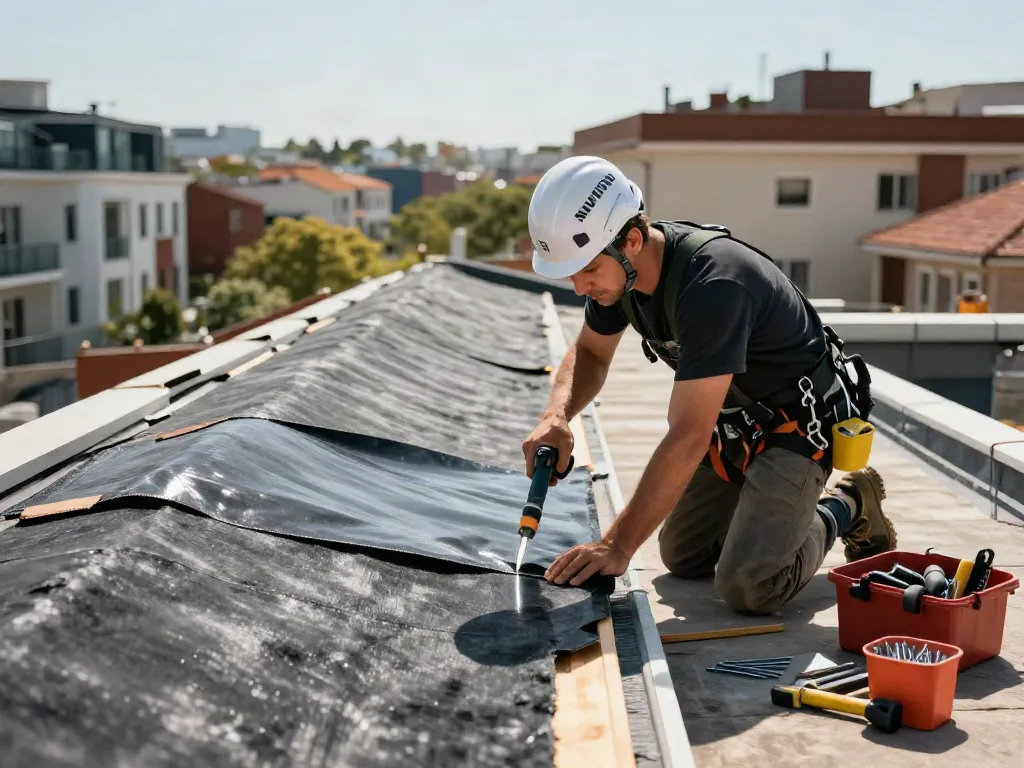
Proper installation of felt roofing begins with a clean and well-prepared surface. Any debris, old roofing material, or imperfections must be removed to provide a solid foundation. It is essential to overlap the felt sheets adequately and use high-quality adhesives to create waterproof seams. Additionally, the use of a torch or heat gun can bond the felt layers effectively, ensuring a cohesive and weatherproof finish.
Essential Maintenance Tips to Extend Roof Longevity
- Regularly inspect the roof for signs of damage, such as blisters or tears.
- Clear debris, such as leaves or branches, from the roof surface and drainage areas.
- Repair small damages immediately to prevent larger issues from developing.
- Schedule professional maintenance inspections annually or semi-annually.
Signs That Your Felt Roof Needs Repair or Replacement
Be aware of indicators that may suggest your felt roof is in need of repair or replacement. Look for persistent leaks, cracks, or blistering on the surface. If you notice any ponding water that does not drain after rainfall, it might be time to consider professional help to assess the situation.
Comparing Roofing Quotes: Making Informed Decisions
When it comes to roofing work, obtaining multiple quotes is essential for making an informed decision. This process not only helps homeowners understand their options but also allows them to gauge the average market rates for felt roofing services.
Why You Should Get Multiple Quotes for Roofing Work
By requesting quotes from various contractors, homeowners can compare prices, materials, and the proposed scope of work. This approach enables you to make a more educated choice about which contractor to hire, ensuring that you receive the best value for your investment.
Understanding Different Quotes: What to Look For
- Check the breakdown of costs, including materials and labor.
- Compare the types of materials being offered, as they can vary significantly in quality.
- Look for additional services included in the quote, such as warranties or post-installation maintenance.
Evaluating Cost vs. Value in Roofing Services
While it may be tempting to choose the lowest quote, consider the overall value being offered. A slightly higher price might reflect superior materials or a more experienced contractor, which can save you money in the long run by reducing the frequency of repairs or replacements.
Future Trends in Felt Roofing for 2026 and Beyond
The felt roofing industry is evolving rapidly, driven by advancements in materials and techniques that respond to contemporary environmental challenges. Homeowners must stay informed about these trends to maximize their investments and ensure long-term sustainability.
Innovations in Felt Roofing Materials and Techniques
New technologies are leading to the development of more durable and eco-friendly felt roofing materials. Innovations such as self-adhesive systems and improved waterproofing membranes are making installations faster and more efficient while also enhancing resilience against the elements.
How Climate Change is Influencing Roofing Solutions
As climate change continues to have profound effects on weather patterns, felt roofing systems are being designed with sustainability in mind. This includes incorporating reflective surfaces to reduce heat absorption and improve energy efficiency. Homeowners are encouraged to consider these factors when planning roofing projects.
Predictions for the Felt Roofing Industry in the Coming Years
Looking ahead, the felt roofing industry is likely to see continued growth as more homeowners recognize the benefits of modern felt systems. Increased awareness of sustainability and energy efficiency will further shape demand, leading to innovation in materials and installation techniques.
Frequently Asked Questions
For those considering felt roofing, several common questions arise:
- What is felt roofing? Felt roofing refers to a type of flat roofing system made from felt paper, typically impregnated with bitumen, that creates a waterproof barrier.
- How do I find a local felt roofing specialist? You can find local specialists through referrals, online searches, or platforms dedicated to matching homeowners with contractors, like felt-roof.co.uk.
- What are the benefits of felt roofing compared to other materials? Felt roofing is cost-effective, durable, quick to install, and environmentally friendly.
- How do I know if my felt roof needs repairs? Signs include leaks, blistering, and excessive ponding water. Regular inspections can help catch problems early.
- What factors affect the cost of felt roofing installation? Factors include the complexity of the installation, the quality of materials used, and the contractor's pricing structure.