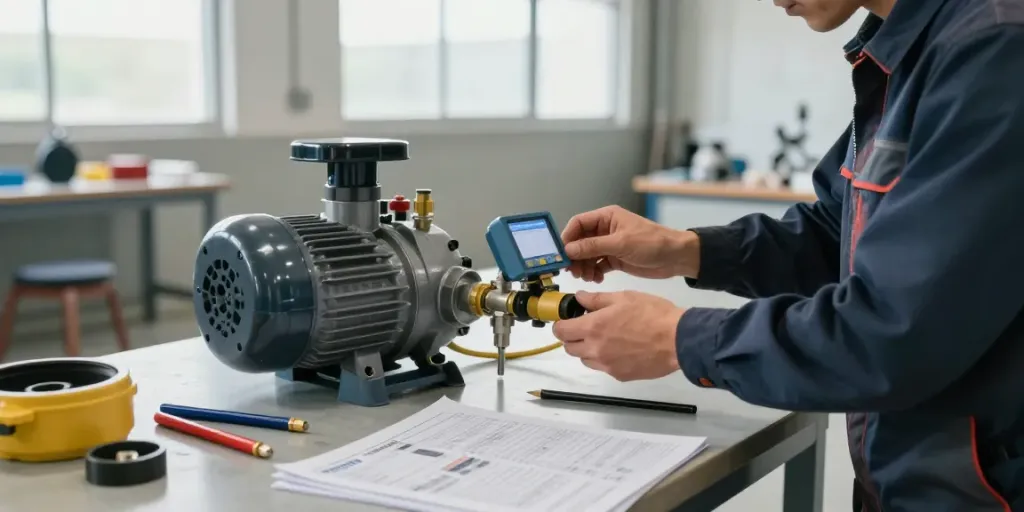
Understanding Water Pump Pressure Switches
Water pump pressure switches play a crucial role in maintaining the efficiency and reliability of water pumping systems across various applications. These switches are essential for regulating water flow, ensuring optimal pressure levels, and protecting pumps from potential damage. They automatically activate and deactivate the pump based on preset pressure levels, making them vital components in residential, commercial, and industrial settings. When exploring options, a water pump pressure switch can provide comprehensive insights into enhancing your systems.
What Is a Water Pump Pressure Switch?
A water pump pressure switch is an electrical device that controls the operation of a pump based on the pressure of the water within the system. Essentially, it acts as an automatic control unit that turns the pump on or off at predetermined pressure settings, ensuring a consistent flow of water. These switches are used in various applications, including well pumping systems, residential water systems, and agricultural irrigation.
How Pressure Switches Function in Water Systems
Pressure switches operate using a diaphragm that senses changes in water pressure. When the pressure falls below the set "cut-in" point, the switch closes, activating the pump. Once the pressure reaches the "cut-off" point, the switch opens, stopping the pump. This cycle ensures that the system maintains water pressure within a specified range, preventing both under-pressure and over-pressure situations, which can lead to equipment damage or inefficiencies.
Key Specifications and Standards
- Pressure Range: Common settings include 30-50 PSI and 40-60 PSI, tailored to specific system requirements.
- Electrical Ratings: Must match the pump’s voltage and current specifications, typically 120V or 230V for residential applications.
- Durability: Switches should be able to withstand high cycles and harsh environmental conditions, often rated for millions of operations.
Choosing the Right Water Pump Pressure Switch
Selecting an appropriate water pump pressure switch involves understanding various factors that align with the specific needs of your system. Each application may require different specifications based on its operational environment and performance expectations.
Factors to Consider for OEM Integration
Original Equipment Manufacturers (OEMs) should carefully assess the compatibility of pressure switches with their systems. Factors include:
- Pressure Settings: Ensure that the cut-in and cut-off pressures align with the operational parameters of the machinery.
- Size and Dimensions: The physical size of the switch should fit seamlessly within the design of the equipment.
- Electrical Compatibility: The switch must be rated appropriately to handle the electrical load of the connected pump.
Aftermarket Solutions and Compatibility
For maintenance and repair needs, aftermarket pressure switches can offer broad compatibility across different brands and models. However, it’s crucial to select a high-quality switch to avoid common pitfalls associated with lower-quality products, such as faster failure rates and less reliable performance.
Common Pitfalls to Avoid When Selecting a Switch
- Not Considering Voltage Ratings: Ensure the switch matches the system's voltage requirements to prevent electrical failures.
- Ignoring Compatibility: Verify that the switch can work with the existing piping and pump systems.
- Overlooking Manufacturer Recommendations: Always consult manufacturer specifications to ensure optimal performance and warranty coverage.
Best Practices for Installing Water Pump Pressure Switches
Proper installation is essential for the effective operation of water pump pressure switches. Below are best practices to follow during the installation process.
Step-by-Step Installation Guide
- Turn off the power supply to the pump to prevent any electrical hazards.
- Locate the pressure switch on the piping system, ideally at the pump outlet.
- Remove the old switch if applicable, and ensure all connections are clean and free of debris.
- Install the new pressure switch, ensuring it is securely attached and that all fittings are tight.
- Restore power and monitor the system for abnormalities during the first cycle.
Safety Precautions During Installation
Before commencing installation, ensure you are equipped with personal protective equipment (PPE) and adhere to electrical safety standards. Always double-check that the power is off, and consider consulting with a professional if uncertain about any step in the installation process.
Testing and Calibration Techniques
After installation, it’s crucial to test the pressure switch to ensure it operates correctly:
- Check the cut-in and cut-off pressures using a calibrated pressure gauge.
- Adjust the settings if necessary, following the manufacturer's guidelines.
- Run the system and observe the operation for any irregularities.
Maintenance and Troubleshooting Tips
Regular maintenance of water pump pressure switches is essential to ensure long-term performance and reliability. Here are some effective maintenance and troubleshooting tips.
Identifying Common Issues with Pressure Switches
Common problems with water pump pressure switches can include:
- Failure to Turn On: Typically caused by electrical issues or a malfunctioning switch.
- Continuous Running: This can occur if the switch is stuck or improperly calibrated.
- Leakage: Check for worn-out gaskets or seals that may require replacement.
Routine Maintenance Best Practices
- Inspect the pressure switch biannually for wear and tear.
- Clean any dust or debris that may obstruct the switch's diaphragm.
- Test the switch periodically to ensure it operates within the correct pressure range.
When to Replace Your Water Pump Pressure Switch
Consider replacing the pressure switch if:
- It frequently malfunctions or fails to operate within specified parameters.
- Visible signs of wear and corrosion are evident.
- It's outdated and lacks compatibility with newer equipment or technologies.
The Future of Water Pump Pressure Switch Technology
As technology evolves, the landscape of water pump pressure switches is set to change significantly by 2026. Below are some emerging trends and predictions for the industry.
Emerging Trends in Water Pump Technology for 2026
- Increased Automation: Smart technology integration will allow for remote monitoring and control of water systems.
- Enhanced Energy Efficiency: New pressure switches will be designed to minimize energy consumption while maintaining performance.
- IoT Integration: The rise of the Internet of Things (IoT) will enable real-time data processing, analytics, and predictive maintenance.
The Role of Smart Technology in Pressure Switching
Smart pressure switches could revolutionize how water systems are managed. With sensors and connectivity technologies, users can monitor pressure levels and system performance remotely, receiving alerts for maintenance needs and anomalies.
Predictions for Market Developments in the Coming Years
As the demand for smarter, more efficient systems grows, manufacturers will need to adapt by developing products that incorporate advanced technology, sustainability, and user-friendly features. The competition will also intensify, compelling OEMs to continuously innovate to meet market expectations.
How to Stay Ahead of Industry Innovations
To remain competitive, businesses should actively engage in research and development, collaborate with technology partners, and attend industry conferences. Keeping an eye on emerging trends and consumer preferences will also help companies align their product offerings with market demands.
What to Expect from Lefoo in the Future
Lefoo is committed to leading innovation in the pressure switch market. We plan to expand our product range with cutting-edge technologies that meet the increasing demands of both OEMs and aftermarket clients. Our focus will remain on reliability, efficiency, and comprehensive customer support.
Frequently Asked Questions About Water Pump Pressure Switches
How to tell if a water pump pressure switch is bad?
Signs of a failing water pump pressure switch include irregular pump activity, failure to turn on or off, or visible wear. Testing the switch with a multimeter can help determine if it needs replacement.
How do I reset a water pump pressure switch?
To reset a water pump pressure switch, look for a reset button or manually adjust the pressure settings. Consult the user manual for specific instructions related to your model.
Do I need a 30/50 or 40-60 pressure switch?
The choice between a 30/50 or 40/60 pressure switch depends on the specific demands of your water system. Consider the required pressure levels for optimal operation in your application.
How to adjust the water pump pressure control switch?
Adjusting the water pump pressure control switch typically involves turning screws on the switch to set the desired cut-in and cut-off pressures. Always consult the product manual for precise adjustment guidelines.
Why is my water pressure switch malfunctioning?
Common reasons for malfunctioning pressure switches include electrical issues, mechanical failures, improper calibration, or environmental factors such as moisture and dust accumulation.